Non-Owner SR-22 for Occupational License Without a Car
Free to compare
The No-Car SR-22 Trap
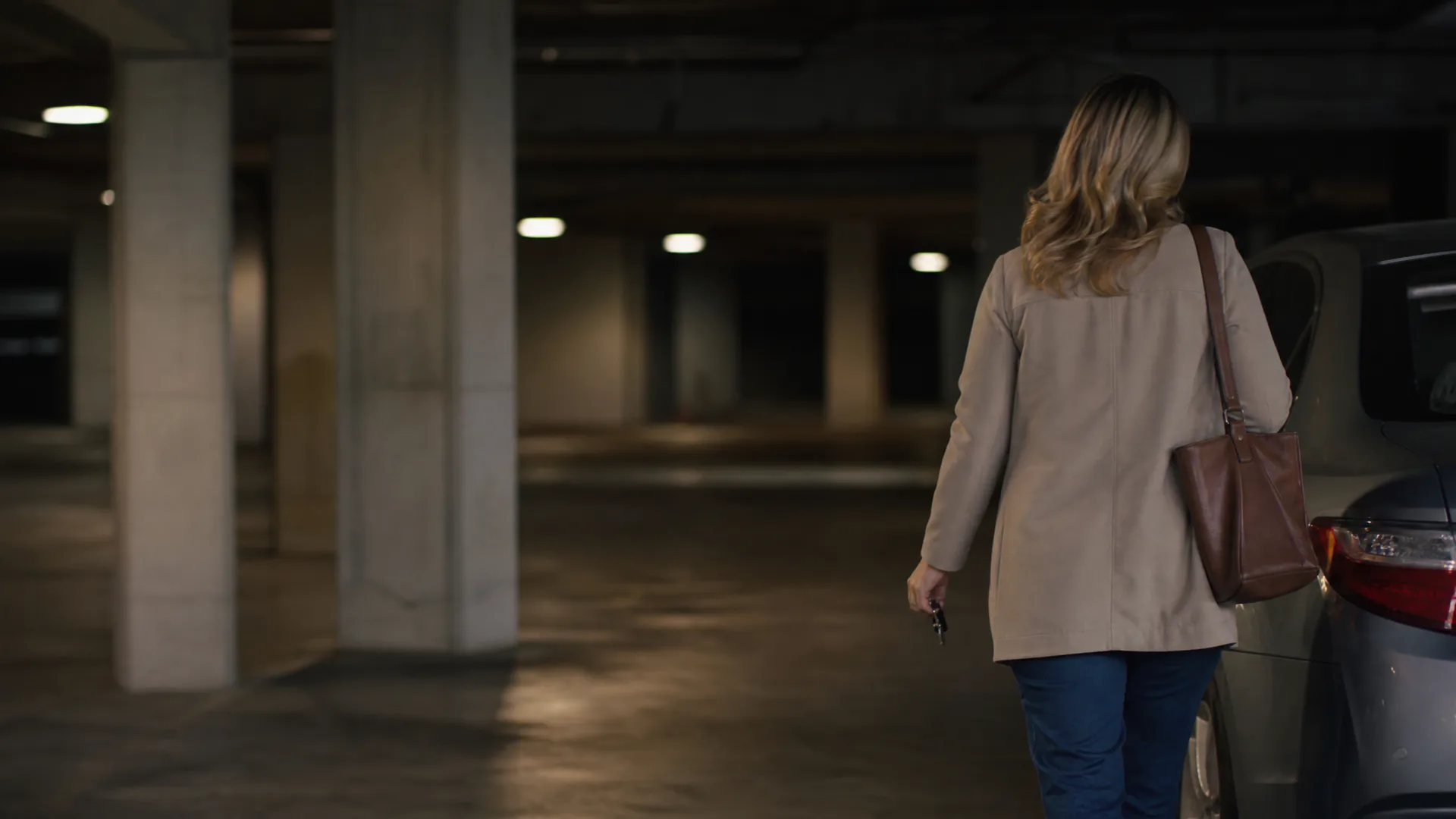
You qualified for an occupational license in Pennsylvania, Texas, or Wisconsin — filed the Essential Need Petition in Texas, completed PennDOT's ARD diversion in Pennsylvania, or submitted the DOT administrative application in Wisconsin — and now face the SR-22 requirement. The suspension triggered when you still owned a car, but you sold it during the suspension period or never replaced it after the impound. The state still mandates continuous SR-22 filing for the full duration: typically 2 years in Texas, 3 years in Pennsylvania post-DUI with ARD or 5 years post-conviction, 3 years in Wisconsin post-OWI. You cannot get the occupational license without the SR-22. Standard auto insurance policies require you to list a vehicle you own or regularly drive. You own neither.
This is the structural trap non-owner SR-22 was built to solve. Non-owner SR-22 is liability coverage that meets your state's SR-22 filing mandate without requiring you to own or insure a specific vehicle. It covers you when you drive someone else's car — a family member's vehicle, a rental, a borrowed car from a friend. The coverage follows you, not a vehicle title. Carriers file the SR-22 certificate with your state DMV exactly as they would for a standard policy, satisfying the occupational license insurance requirement.
“Non-owner SR-22 removes the vehicle-ownership requirement while preserving the DMV filing — solving the trap where you need coverage for a car you don't drive.”

Keep Your Work License Covered
Get My Occupational License Insurance Quote$40–$80/month
Non-Owner SR-22 Premium Range
Non-owner SR-22 premiums run lower than standard auto policies because the coverage excludes comprehensive and collision — you're not insuring property damage to a vehicle you own. Actual cost varies by state, violation history, age, and carrier underwriting. High-risk pools typically sit at the top of the range.
Typical carrier pricing for liability-only non-owner policies with SR-22 endorsement
What Non-Owner SR-22 Actually Covers
Non-owner SR-22 provides liability coverage only: bodily injury and property damage liability in amounts meeting or exceeding your state's minimum requirements. In Pennsylvania, that's $15,000 per person, $30,000 per accident for bodily injury, and $5,000 for property damage. In Texas, $30,000/$60,000/$25,000. In Wisconsin, $25,000/$50,000/$10,000. The policy covers your legal liability when you cause an accident while driving a vehicle you do not own.
It does not cover damage to the vehicle you're driving — that's the owner's responsibility through their own comprehensive and collision coverage. It does not cover damage to a vehicle you own, because the policy structure explicitly excludes vehicle ownership. If you later purchase a car during the SR-22 filing period, you must switch to a standard auto policy and transfer the SR-22 filing to that policy. The non-owner policy terminates when you become a vehicle owner.
The SR-22 endorsement is identical whether attached to a standard policy or a non-owner policy. The carrier files Form SR-22 with your state DMV within 24 hours of policy binding in most cases, certifying continuous liability coverage. Your DMV receives electronic confirmation. That filing satisfies the occupational license insurance requirement. If the non-owner policy lapses or cancels, the carrier files Form SR-26 notifying the DMV of the lapse, triggering immediate suspension of your occupational license in all three states.
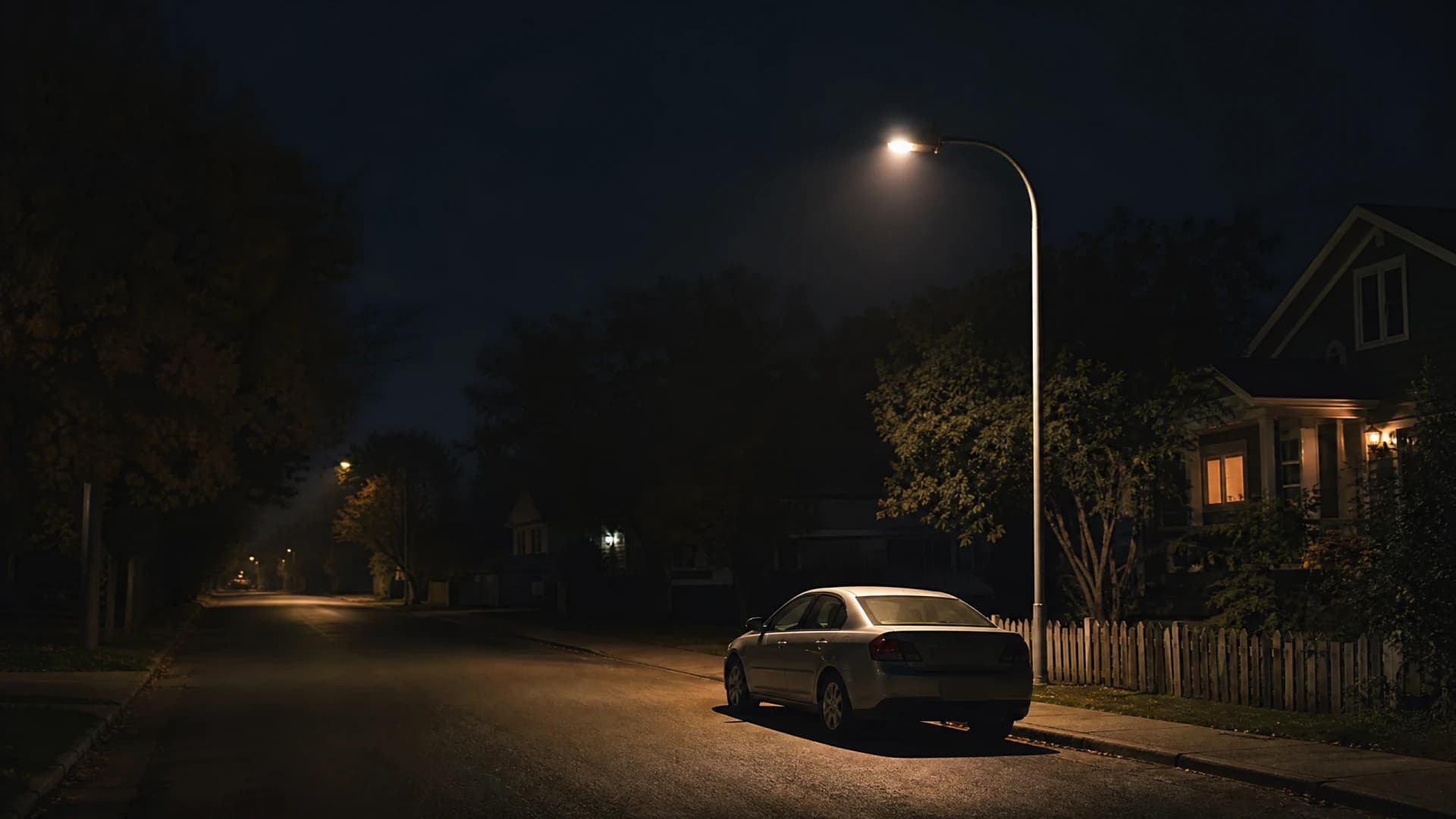
The blocker: you need SR-22 filing to get the occupational license, but standard policies require a vehicle you don't own. Non-owner SR-22 removes the vehicle-ownership requirement while preserving the filing.




Duration Rules and What Happens If You Buy a Car
The non-owner SR-22 filing must remain continuous for the full duration your state mandates. In Texas, typically 2 years from the date of conviction or DPS notification. In Pennsylvania, 3 years if you completed ARD diversion, or 5 years if convicted without ARD. In Wisconsin, 3 years from the date of OWI conviction or license reinstatement. Any lapse — even a single day — triggers SR-26 notification to the DMV, automatic revocation of your occupational license, and extension of your SR-22 filing period in most cases. Pennsylvania adds 6 months to the filing period for every lapse. Wisconsin resets the 3-year clock. Texas does not automatically extend, but reinstating after a lapse requires a new SR-22 filing and new occupational license application.
If you purchase a vehicle during the SR-22 filing period, the non-owner policy no longer covers you. Non-owner SR-22 is explicitly structured for drivers who do not own a car — vehicle ownership voids the policy by definition. When you buy a car, notify your non-owner carrier immediately. You must switch to a standard auto insurance policy listing the vehicle you now own, and transfer the SR-22 endorsement to that new policy before canceling the non-owner policy. The new carrier files a new SR-22 certificate; the old carrier files SR-26 canceling the non-owner filing. Timing is critical: if the SR-26 from the old policy reaches the DMV before the new SR-22 from the replacement policy, the system reads it as a lapse and suspends your occupational license. Bind the new policy first, wait for confirmation the new SR-22 is on file with the DMV, then cancel the non-owner policy.
If you never purchase a vehicle during the filing period, the non-owner SR-22 runs continuously until the mandated duration expires. Once the filing period ends, the SR-22 requirement terminates. You can cancel the non-owner policy or convert it to a standard non-SR-22 non-owner policy if you still do not own a car but want liability coverage when driving borrowed vehicles.
24 hours
SR-22 Filing Window After Binding
Most carriers file Form SR-22 electronically with the state DMV within 24 hours of policy binding. Pennsylvania PennDOT, Texas DPS, and Wisconsin DOT all receive electronic filings in real time. You can verify the filing appeared in the state's system by calling the DMV or checking online if your state provides driver record access. Do not submit your occupational license application until you confirm the SR-22 is on file.
Standard carrier SR-22 filing procedures in PA, TX, and WI
Cost Stack and Premium Reality
Non-owner SR-22 premiums typically run $40–$80 per month, but the actual rate depends on your state, age, violation details, and how long ago the suspension occurred. A first-time DUI in Texas with no prior violations sits at the low end. Multiple DUIs, reckless driving stacked on top of the DUI, or an at-fault accident during the suspension period pushes you toward the high end or into the high-risk assigned-risk pool, where premiums can reach $120–$150 per month.
The SR-22 endorsement itself costs $15–$50 as a one-time filing fee in most states, charged at policy inception. Annual policy renewals may carry an additional $10–$25 SR-22 renewal fee depending on the carrier. These fees are separate from the premium. Budget for the premium plus filing fee in month one, then the monthly premium for the full duration your state mandates. A 3-year Pennsylvania SR-22 filing on a $60/month non-owner policy costs roughly $2,200 total: $2,160 in premiums plus $50 filing fee. Add the Pennsylvania Occupational Limited License application fee (typically $25–$50 depending on county processing), and the total cost to maintain legal driving status under an occupational license runs $2,250–$2,300 over 3 years, excluding the ignition interlock device cost if your DUI case requires IID installation.
Get Non-Owner SR-22 Coverage Now
You cannot complete the occupational license application in Pennsylvania, Texas, or Wisconsin without active SR-22 filing already on record with your state DMV. Non-owner SR-22 is the correct product when you own no vehicle but still face the SR-22 mandate. Request quotes from carriers writing non-owner policies with SR-22 endorsements. Bind coverage as soon as you're approved. Confirm the SR-22 filing reached your state's system electronically before filing your Essential Need Petition in Texas, applying through PennDOT in Pennsylvania, or submitting the DOT administrative application in Wisconsin. Once the occupational license is issued, maintain the non-owner policy continuously for the full filing duration your state requires — any lapse revokes the license and resets the clock.
Getting Non-Owner SR-22 Before Your Occupational License Hearing
Contact carriers who specialize in non-owner SR-22 policies: Progressive, The General, Dairyland, Bristol West, and National General all write non-owner policies with SR-22 endorsements in Pennsylvania, Texas, and Wisconsin. Request a quote specifying non-owner SR-22 coverage. Provide your driver's license number, the suspension cause (typically DUI, DWI, or OWI), and the required SR-22 filing duration from your state's notice. The carrier underwrites based on your violation history, not a vehicle's value or condition. Approval takes 24-48 hours in most cases. Once approved, pay the first month's premium to bind the policy. The carrier files the SR-22 certificate electronically with your DMV within 24 hours of binding.
In Texas, file your Essential Need Petition with the county court only after the SR-22 is on file with DPS. The court reviews proof of insurance as part of the petition approval process — showing up without an active SR-22 on your driving record results in automatic denial. In Pennsylvania, PennDOT requires proof of SR-22 filing before issuing the Occupational Limited License after ARD completion or post-conviction eligibility. In Wisconsin, the DOT administrative approval pathway requires continuous SR-22 filing verified in the state's insurance database before the Occupational License is mailed. All three states check electronically — your non-owner SR-22 filing must show as active in the state system before your application proceeds.
Get Your Free Quote
Get My Occupational License Insurance QuoteFrequently Asked Questions
Can I get an occupational license without owning a car?
Yes. Pennsylvania, Texas, and Wisconsin all issue occupational licenses to drivers who do not own vehicles, but all three states still require SR-22 filing. Non-owner SR-22 insurance meets the filing requirement without requiring you to own or insure a specific car. The coverage follows you when driving borrowed or rented vehicles.
What happens to my non-owner SR-22 if I buy a car during the filing period?
You must switch to a standard auto insurance policy listing the vehicle you purchased and transfer the SR-22 endorsement to that policy. Non-owner SR-22 is voided by vehicle ownership. Bind the new policy and confirm the new SR-22 is on file with the DMV before canceling the non-owner policy to avoid a lapse.
How much does non-owner SR-22 cost in Pennsylvania, Texas, or Wisconsin?
Premiums typically range $40–$80 per month, with a one-time SR-22 filing fee of $15–$50. Total cost over a 3-year filing period runs approximately $1,500–$3,000 depending on your violation history, age, and carrier. High-risk drivers may face higher premiums in the assigned-risk pool.
Does non-owner SR-22 cover damage to the car I'm driving?
No. Non-owner SR-22 provides liability coverage only — bodily injury and property damage liability meeting your state's minimum requirements. It does not cover physical damage to the vehicle you're driving. The vehicle owner's comprehensive and collision coverage handles damage to their car.
How long does it take for the SR-22 filing to reach the DMV after I buy non-owner coverage?
Most carriers file Form SR-22 electronically within 24 hours of policy binding. Pennsylvania PennDOT, Texas DPS, and Wisconsin DOT receive electronic filings in real time. Verify the SR-22 appears in your state's system before submitting your occupational license application to avoid processing delays or denial.
Can I cancel non-owner SR-22 after my occupational license is approved?
No. The SR-22 filing must remain continuous for the full duration your state mandates — typically 2 years in Texas, 3 years in Pennsylvania post-ARD or 5 years post-conviction, and 3 years in Wisconsin post-OWI. Canceling the policy triggers SR-26 notification and immediate revocation of your occupational license.