
Occupational License Insurance That Meets State Rules
Get the SR-22 filing, ignition interlock device compliance, and liability coverage required for occupational licenses in Pennsylvania, Texas, and Wisconsin.
Free to compare
Licensed Agents Only
Quotes from state-licensed insurance professionals
No Obligation
Free to request, no commitment required
Free to Use
No cost to you
TCPA-Compliant
Your contact information is protected
How It Works
Enter your ZIP code and tell us about your suspension type
Get matched with carriers who write policies for suspended license drivers in your state
Choose your coverage and your insurer files any required SR-22 directly with your state DMV
Coverage Options
Understanding your coverage options helps you build a policy that protects what matters — without paying for what you don't need.
 SR-22 Insurance for Occupational LicenseSR-22 is a liability certification filed by your carrier to prove continuous coverage during your occupational license period. Texas, Pennsylvania, and Wisconsin require SR-22 for the full duration specified by your suspension order—typically 3 years in Texas and Pennsylvania, 2–3 years in Wisconsin.
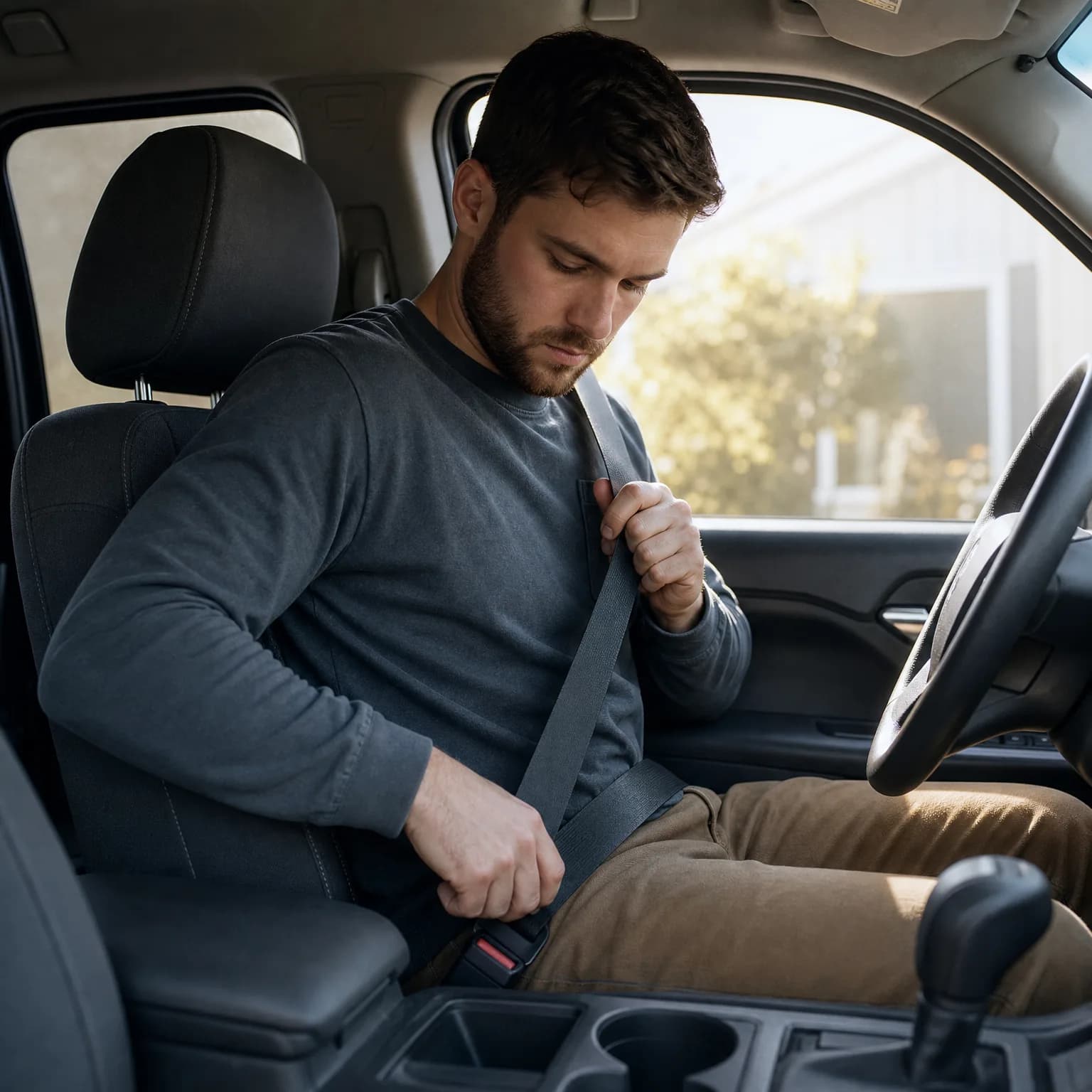 Non-Owner SR-22 InsuranceNon-owner SR-22 policies cover you when driving a borrowed or rented vehicle, meeting state filing requirements without owning a car. Premiums typically run $30–$60/month, lower than owner policies because there's no vehicle collision or comprehensive exposure.
 Texas Occupational Driver License CoverageTexas Occupational Driver License (ODL) is a court-issued restricted license allowing work, school, household duties, medical appointments, and religious services during a DWI suspension. You petition the county court where you were convicted, and the judge sets your approved-purposes schedule.
 Pennsylvania OLL CoveragePennsylvania Occupational Limited License (OLL) is a PennDOT-issued restricted license available after DUI ARD diversion or post-conviction. Approved purposes typically include work commute only, with a 60-day minimum suspension period before eligibility.
 Wisconsin Occupational License CoverageWisconsin Occupational License is a DOT-issued restricted license available after OWI convictions, allowing work, school, medical appointments, and court-ordered obligations. You apply through the DMV after completing any required assessments and installing an ignition interlock device.
 Ignition Interlock Insurance EndorsementIgnition interlock devices are required in all three states for occupational license issuance after DUI/DWI/OWI. Your insurance policy must include an IID endorsement confirming the device is installed and monitored—most carriers add this at no extra premium cost.
Recent Articles
 6/1/2026Wisconsin 2nd OWI Occupational LicenseWisconsin requires a 90-day hard suspension before occupational license eligibility after a 2nd OWI within 10 years.
 6/1/2026Breaking Pennsylvania OLL RestrictionsPennsylvania revokes Occupational Limited Licenses instantly for violations. Learn how PennDOT processes revocation and your options to move forward.
 6/1/2026Second DUI Occupational License RulesYour wait for an occupational license starts at the lookback window, not the conviction date.

Keep Your Work License Covered
Get My Occupational License Insurance QuoteFrequently Asked Questions
What is an occupational license?
An occupational license is a state-issued restricted driver license that allows you to drive for specific approved purposes during a suspension period—typically after a DUI, DWI, or OWI conviction. Texas calls it an Occupational Driver License, Pennsylvania calls it an Occupational Limited License, and Wisconsin calls it an Occupational License. All three require SR-22 filing and ignition interlock device installation.
How long does SR-22 filing last for an occupational license?
Texas and Pennsylvania require SR-22 filing for 3 years from the conviction date. Wisconsin requires 2–3 years depending on your offense count and BAC level. The SR-22 period runs concurrently with your occupational license period, not consecutively.
What approved purposes are allowed on an occupational license?
Texas allows the broadest scope—work, school, household duties, medical appointments, court appearances, and religious services. Pennsylvania restricts to work commute in most cases. Wisconsin allows work, school, medical, and court-ordered obligations. The judge or DMV sets your specific approved-purposes schedule when issuing the license.
Do I need an ignition interlock device for an occupational license?
Yes, in all three states. Texas, Pennsylvania, and Wisconsin require ignition interlock devices (IID) for occupational license issuance after DUI/DWI/OWI cases. The device tests your breath before the vehicle starts and randomly while driving. Your insurance policy must include an IID endorsement confirming installation and monitoring compliance.
How long does it take to get an occupational license approved?
Texas court petitions typically take 2–4 weeks from filing to hearing, then 1–2 weeks for the license to issue after court approval. Pennsylvania PennDOT applications process in 10–15 business days after you submit documentation. Wisconsin DOT applications process in 7–14 business days. All timelines assume you've already installed the ignition interlock device and secured SR-22 filing.