
Wisconsin Occupational License Application — Start Process
Free to compare
Court Approved Your OL but DMV Won't Issue the Card
You filed your Wisconsin Occupational License petition with the circuit court, paid the filing fee, attended the hearing, and walked out with a signed court order authorizing restricted driving. You drove to the DMV expecting to pick up the physical occupational license card. The clerk told you the system shows no SR-22 on file and refused to process your application. Your job starts Monday morning. The court order sitting in your hand does nothing to fix the DMV block.
Wisconsin operates a two-step occupational license approval structure that trips up most first-time applicants. The circuit court grants legal permission to drive under restrictions. The Department of Transportation issues the physical license card that law enforcement will actually accept during a traffic stop. The DMV will not touch your application until their electronic system confirms your SR-22 certificate of financial responsibility filing arrived from your insurance carrier. Court approval and SR-22 filing are separate processes with separate timelines, and the gap between them is where most work-start deadlines die.
“Court approval legally authorizes restricted driving, but the physical DMV card is what law enforcement accepts during traffic stops.”

Keep Your Work License Covered
Get My Occupational License Insurance Quote3–7 business days
SR-22 Electronic Filing Window
Wisconsin carriers submit SR-22 certificates electronically to WisDOT, but processing is not instant. The carrier transmits within 24–48 hours of policy activation; WisDOT's system batches incoming filings and updates overnight. Total lag from payment to DMV-visible confirmation typically runs 3–7 business days depending on carrier and batch timing.
Wisconsin Department of Transportation SR-22 filing procedures
Court Grants Permission but SR-22 Activates the License
Wisconsin Statute 343.10 authorizes circuit courts to issue occupational licenses for suspended drivers who can demonstrate essential need. The court petition process addresses whether you qualify for restricted driving — employment verification, route specificity, hours justification, and ignition interlock device compliance. If the judge approves, you receive a signed court order specifying your approved driving purposes, hours, and routes. That order is your proof of legal authorization.
The court order does not activate your driving privilege. Wisconsin law requires continuous proof of financial responsibility for occupational license holders, satisfied through an SR-22 certificate filed by a licensed insurance carrier. The SR-22 is not a separate insurance policy. It is an electronic form your auto insurance carrier submits to WisDOT certifying you carry at least the state's minimum liability coverage and agreeing to notify the state immediately if your policy lapses or cancels. Without that electronic filing hitting WisDOT's system, the DMV has no legal basis to issue the physical occupational license card.
The procedural gap creates a timing problem most applicants discover too late. You cannot file SR-22 before the court approves your petition because carriers require the court order number and approval date as input fields on the SR-22 form. You cannot drive legally until DMV issues the physical card. The processing window stacks — court approval, carrier SR-22 submission, WisDOT batch processing, DMV card issuance — and the total elapsed time from court hearing to physical license in hand typically runs 7–14 business days even when every step goes perfectly.
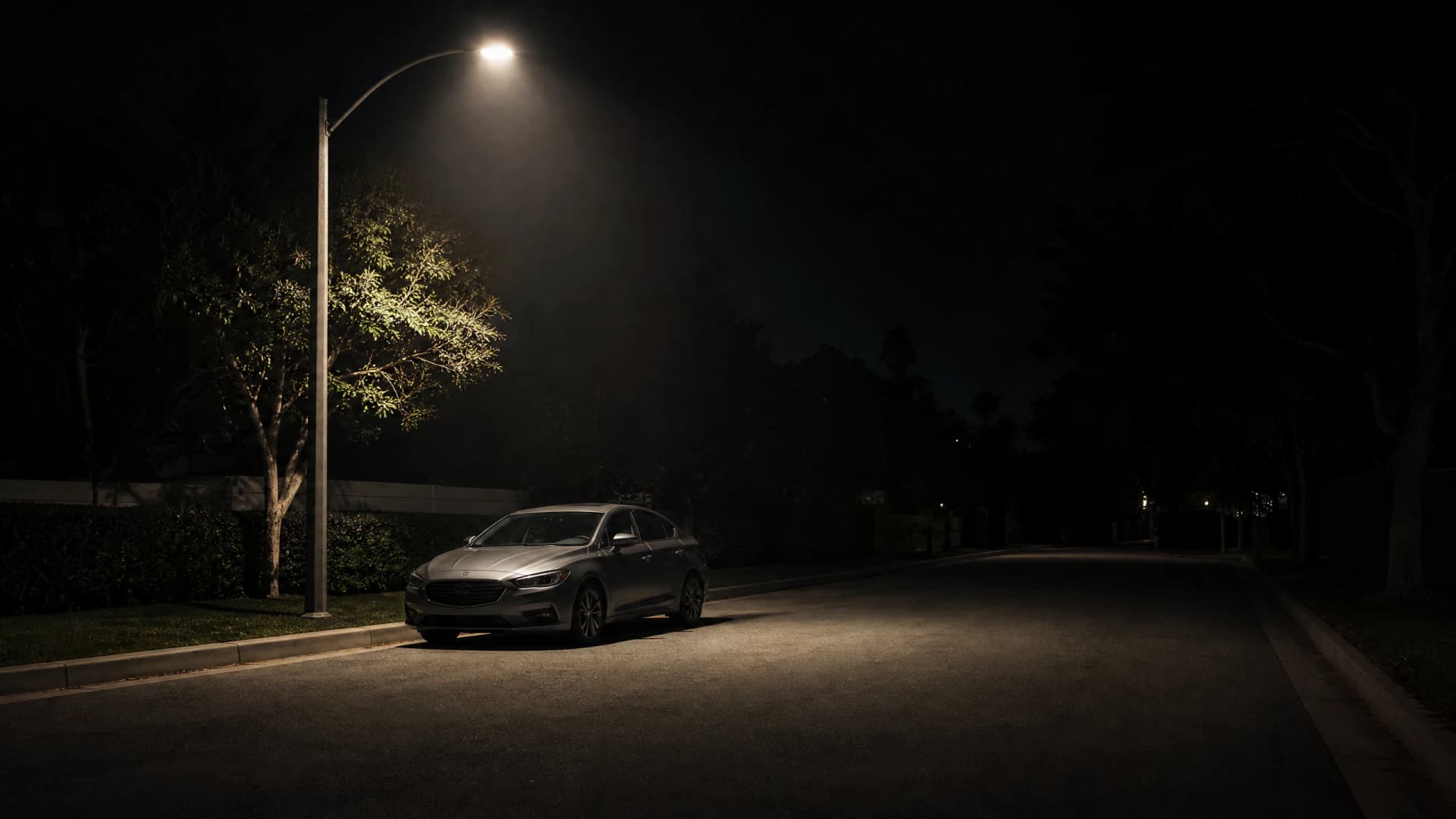
The court order legally authorizes you to drive under restrictions, but law enforcement and employers require the physical DMV-issued occupational license card — carrying only the court order during the processing gap creates citation risk most judges won't excuse retroactively.
Related Articles






Court Petition Process and Hearing Timeline
File your occupational license petition with the circuit court in the county where you reside. Wisconsin does not provide a standardized statewide petition form. Each county circuit court maintains its own forms and filing procedures. Contact the clerk of courts in your county courthouse to obtain the correct petition form, confirm the current filing fee (typically $150–$250 depending on county), and ask about local procedural rules. Some counties allow electronic filing through the Wisconsin Circuit Court Access system; others require in-person or mailed filings.
The petition must specify your approved driving purposes with address-level route detail. Vague descriptions like "driving to work" or "household errands" will not survive judicial review. List your employer's exact street address, the specific route you will take from your residence to that address, and the days and hours you need to drive that route. If your job requires driving to multiple work sites, list each site's address and the days you will travel there. Household duties require similar specificity: name the grocery store address, the daycare address, the medical clinic address. Wisconsin courts grant occupational licenses with a maximum 12-hour daily driving window and 60-hour weekly limit under Wis. Stat. 343.10, but judges typically approve narrower windows matching your documented need.
Court hearing scheduling varies by county. Dane and Milwaukee counties typically schedule hearings 3–5 weeks after petition filing due to docket volume. Rural counties often schedule within 2–3 weeks. The hearing is brief — typically 10–15 minutes. The judge reviews your petition, confirms your documentation is complete, asks clarifying questions about your routes and hours, and either approves the petition with modifications or denies it. If approved, the clerk provides a certified copy of the court order immediately after the hearing. That order includes your court case number, approval date, authorized purposes, approved hours, and route restrictions. You need that order to activate SR-22 filing.
$60 + IID + SR-22
Wisconsin Occupational License Cost Stack
The $60 DMV occupational license issuance fee is the smallest component. IID installation and monitoring typically add $75–$150 upfront plus $75–$100 monthly for the restriction period. SR-22 filing itself costs $15–$35 depending on carrier, but the underlying auto insurance policy premium increases 40–85% over standard rates for OWI-suspended drivers. Budget for sustained monthly costs, not just one-time fees.
Wisconsin DOT fee schedules and carrier SR-22 program disclosures

SR-22 Filing Mechanics After Court Approval
Immediately after your court hearing, contact the insurance carrier you identified during preparation and request SR-22 policy activation. You must provide the carrier with your court order number, approval date, and a copy of the signed court order. The carrier will either add SR-22 filing to your existing Wisconsin auto policy or write a new policy if you do not currently have one. Non-owner SR-22 policies cover drivers who do not own a vehicle but need to meet the filing requirement — relevant if you sold your car after suspension or will be driving an employer's vehicle or a family member's vehicle exclusively.
Carrier SR-22 submission to WisDOT happens electronically but is not instantaneous. The carrier typically submits the SR-22 certificate within 24–48 hours of policy activation and premium payment. WisDOT's system processes incoming SR-22 filings in overnight batches, so a filing submitted Monday afternoon may not show in the DMV's system until Wednesday or Thursday morning. High-volume periods (end of month, post-holiday weeks) can push processing to the longer end of the 3–7 day window. Call the carrier 3 business days after policy activation and ask them to confirm the SR-22 transmitted successfully and provide the SR-22 certificate number WisDOT assigned.
Pick Up Your Physical License Once DMV Confirms Filing
After SR-22 electronic confirmation hits WisDOT's system, schedule an appointment at a Wisconsin DMV service center to obtain your physical occupational license card. Bring your certified court order, government-issued photo ID, IID installation certificate, proof of Wisconsin residency (utility bill or lease agreement dated within 90 days), and the $60 occupational license issuance fee. The DMV will verify your SR-22 is on file electronically, process your application, take your photo, and issue the occupational license card on the spot. The card lists your restriction code, approved purposes, and expiration date matching your underlying suspension period.
Your occupational license remains valid only as long as your SR-22 filing stays active and your IID remains installed and compliant. If your insurance policy lapses or cancels for any reason — missed premium payment, carrier non-renewal, switching carriers without maintaining continuous SR-22 coverage — your carrier must notify WisDOT within 15 days per Wisconsin law, and WisDOT will revoke your occupational license immediately. You will not receive advance warning. The next time you are pulled over, the officer's system will show a revoked license, and you will face operating after revocation charges on top of your original suspension. Maintain continuous coverage and pay premiums on time for the full restriction period — typically 3 years post-OWI under Wisconsin SR-22 filing rules.
Required Documentation Before You Start
Employment verification from your employer on company letterhead stating your job title, work address, required work hours, and confirmation that losing your license will result in job loss. If you work multiple jobs, you need separate letters from each employer. Self-employed applicants must provide business registration documents, recent tax returns, and a signed affidavit describing work locations and hours. School enrollment requires an official letter from the registrar confirming your enrollment status, class schedule, and campus address. Medical appointments require a letter from your healthcare provider specifying the treatment schedule and explaining why alternative transportation is not feasible. Religious services require a letter from your clergy on official letterhead.
Proof of ignition interlock device installation completed before your court hearing. Wisconsin requires IID for all OWI-related occupational licenses under Wis. Stat. 343.301. You must contract with a state-certified IID vendor, schedule installation, pay the installation fee (typically $75–$150) and first month monitoring fee (typically $75–$100), and obtain the vendor's installation certificate showing device serial number and calibration date. The court will not approve your petition without this certificate in the file. SR-22 insurance activation requires the court order number, so you handle that immediately after the hearing — not before — but you should identify which carrier you will use and confirm they write occupational license policies in Wisconsin before your court date.
Get Your Free Quote
Get My Occupational License Insurance QuoteFrequently Asked Questions
Can I drive with just the court order before DMV issues the occupational license card?
No. Wisconsin law requires the physical occupational license card issued by DMV. The court order alone does not satisfy the legal requirement during a traffic stop, and law enforcement will cite you for operating while suspended even if you carry the signed court order.
How long does SR-22 filing take after my carrier submits it?
Wisconsin carriers submit SR-22 certificates electronically within 24–48 hours of policy activation. WisDOT processes filings in overnight batches, so total confirmation time typically runs 3–7 business days from payment to DMV-visible status depending on submission timing and batch processing schedules.
What happens if my SR-22 lapses while my occupational license is active?
WisDOT revokes your occupational license immediately when your carrier reports a lapse. You receive no advance notice. Driving after revocation is a separate criminal charge on top of your original suspension, and you lose eligibility to reapply for occupational license relief until you satisfy the full underlying suspension period.
Do I need SR-22 if my suspension was not OWI-related?
Yes. Wisconsin requires SR-22 filing for all occupational licenses regardless of the underlying suspension cause. The SR-22 requirement is tied to the occupational license program itself under Wis. Stat. 343.10, not just OWI-related suspensions.
Can I use a non-owner SR-22 policy for my Wisconsin occupational license?
Yes. Non-owner SR-22 policies satisfy Wisconsin's financial responsibility requirement if you do not own a vehicle. This option works for drivers using employer vehicles, family members' vehicles, or public transit supplemented with occasional driving for approved purposes.
How much does Wisconsin occupational license SR-22 insurance cost per month?
SR-22 filing adds $15–$35 to your policy, but the underlying auto insurance premium for OWI-suspended drivers typically runs $85–$160/month for minimum liability coverage depending on age, county, and driving history. Non-owner policies cost slightly less, typically $60–$110/month with SR-22 filing included.