
Second DUI Occupational Limited License — Pennsylvania
Free to compare
The Court Petition Window After Second DUI
You received a second DUI conviction in Pennsylvania. Your license is suspended for 12 months minimum, you need to drive to work, and you're researching whether an Occupational Limited License (OLL) can restore limited driving privileges before the full suspension runs. The answer depends entirely on when your conviction date falls — because Pennsylvania requires a mandatory hard suspension period before the court will even consider your OLL petition, and the petition process itself takes 60 to 90 days from filing to hearing.
This article walks the court-based petition pathway for second-DUI OLL eligibility in Pennsylvania, clarifies the hard suspension window you must serve before filing, names the documentation the court requires, and sequences the IID and SR-22 setup that must happen before the court approves your petition. The timeline is unforgiving — missing any procedural step resets the clock.
“The court will not consider your OLL petition until the 12-month hard suspension expires — filing early results in automatic denial.”

Keep Your Work License Covered
Get My Occupational License Insurance Quote12 months minimum
PA Second DUI Hard Suspension
Pennsylvania law imposes a 12-month suspension for a second DUI conviction within 10 years. The court will not consider an Occupational Limited License petition until this hard suspension period expires — filing early results in automatic denial.
75 Pa.C.S. § 3804
What the Occupational Limited License Actually Covers
Pennsylvania's Occupational Limited License is a court-issued restricted driving privilege limited to occupational, vocational, or therapeutic purposes. The court defines your approved purposes in the order — typically driving to and from work, medical appointments, school, or other court-approved activities. Unlike Texas's Occupational Driver License (which permits household duties and religious services), Pennsylvania's OLL is narrowly scoped to employment and essential needs.
The court also defines your approved hours and routes. You cannot use the OLL for personal errands, childcare pickup unrelated to employment necessity, or social driving. Violating the restrictions triggers immediate revocation and criminal charges for driving under suspension. The OLL is not a hardship license in the permissive sense — it is a court-supervised instrument with criminal consequences for misuse.
Every OLL issued after a second DUI requires ignition interlock device (IID) installation for the duration of the license plus an additional period defined by your conviction tier. The IID requirement is non-negotiable — the court will not approve an OLL petition unless proof of IID installation is submitted with your application. SR-22 financial responsibility certification is similarly required for 3 years following reinstatement.
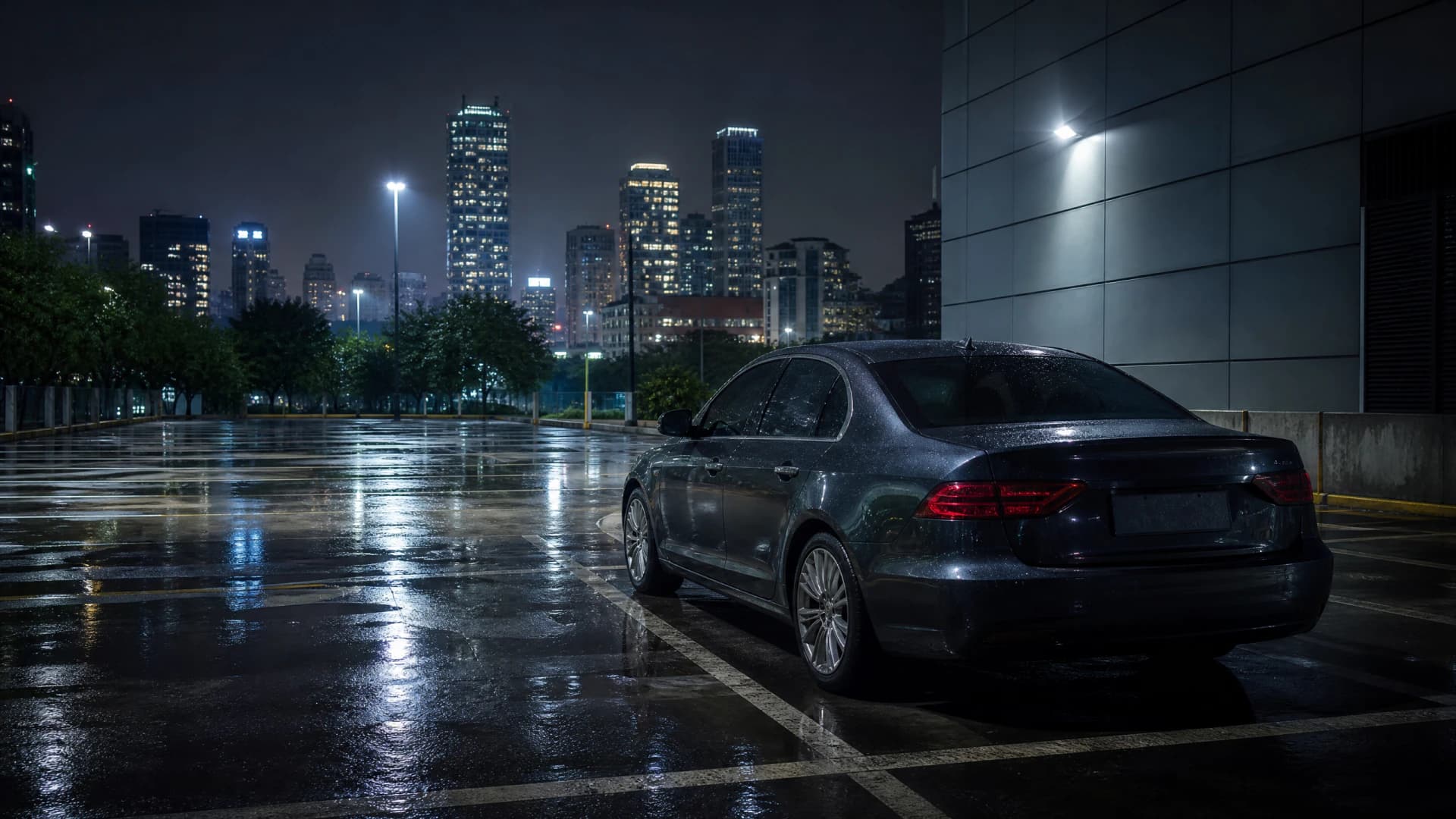
The court will not consider your OLL petition until the 12-month hard suspension expires. Filing before that window closes results in automatic denial — no hearing, no consideration.
Related Articles

IID and SR-22 Setup Before Court Approval
The court requires proof of IID installation and SR-22 filing at the time you submit your petition — not after approval. This means you must arrange both before filing. For IID, contact a certified Pennsylvania IID vendor (LifeSafer, Intoxalock, Smart Start are the primary vendors operating statewide), schedule installation on the vehicle you will drive under the OLL, and obtain the installation receipt showing device serial number and vehicle identification. Installation costs approximately $70 to $100; monthly monitoring and calibration fees run $60 to $90 per month for the duration of your OLL plus the additional IID period mandated by your conviction tier.
For SR-22, contact an insurer writing non-standard auto coverage in Pennsylvania. Not all carriers file SR-22 — standard-tier insurers (Allstate, Erie, Nationwide) typically do not write post-DUI policies; non-standard carriers (Dairyland, The General, Bristol West, Progressive in some cases) specialize in high-risk and post-violation coverage. Request an SR-22 endorsement naming PennDOT as certificate holder. The SR-22 filing fee is typically $15 to $50; the premium impact for second-DUI coverage runs $150 to $280 per month depending on age, county, and vehicle. The insurer electronically files the SR-22 with PennDOT within 24 to 48 hours of policy binding.
Do not wait until after the court hearing to arrange IID and SR-22. The petition cannot be filed without proof of both, and delaying setup pushes your hearing date further out. The 60-to-90-day court timeline starts only after you file a complete petition with all required documentation attached.
$200–$350/month
Second DUI OLL Total Monthly Cost
Estimated combined cost of SR-22 auto insurance premium ($150–$280/month), IID monitoring ($60–$90/month), with one-time costs including IID installation ($70–$100), court filing fees ($100–$300 by county), and SR-22 filing fee ($15–$50). Costs persist for the OLL duration plus additional IID period.
Estimates based on available industry data; individual costs vary by county, vehicle, and insurer
County-Specific Variability and Procedural Quirks
Because OLL petitions are filed with the court of common pleas in your county of conviction, procedural requirements and timelines vary by county. Allegheny County, Philadelphia County, and other high-volume courts may have standardized petition forms available from the clerk of courts; smaller counties may require you to draft the petition yourself or work with an attorney. Court costs similarly vary — some counties charge a flat filing fee; others assess costs based on the judge's discretionary evaluation of your petition complexity.
Processing time from petition filing to hearing ranges from 60 days in less-congested rural counties to 90 days or longer in Philadelphia and Pittsburgh metro courts. There is no statewide uniform timeline — your county's court docket determines when your hearing is scheduled. Once the court approves your OLL, PennDOT processes the physical license issuance within 7 to 10 business days after receiving the court order, but you cannot drive under OLL authority until the physical license is in hand — the court order alone does not authorize driving.
Ignition Interlock Limited License as the Alternative Path
Pennsylvania offers a second restricted-driving program for DUI offenders: the Ignition Interlock Limited License (IILL), administered by PennDOT rather than the courts. The IILL is applied for through PennDOT after the mandatory hard suspension expires and requires IID installation, SR-22 filing, and payment of applicable fees. For second-DUI cases, the IILL may be the more commonly used pathway than the court-issued OLL — it is faster to process (PennDOT application rather than court petition) and does not require a hearing.
The distinction matters because the two programs have different eligibility windows, application paths, and approval authorities. The OLL is court-based and requires a judge's discretionary approval; the IILL is administrative and is granted automatically if you meet PennDOT's eligibility criteria. If your suspension is solely DUI-based with no complicating factors (suspended for other violations, unpaid fines, failure to complete sentencing conditions), the IILL may be the cleaner procedural path. Consult with a Pennsylvania DUI attorney to determine which program fits your suspension profile — filing for the wrong program wastes the application fee and resets your timeline.

What to Do Right Now
If your second DUI conviction date was more than 12 months ago and you have completed all sentencing conditions (Alcohol Highway Safety School, payment of fines, probation compliance), contact the clerk of courts in your county of conviction to request OLL petition forms and procedural instructions. Simultaneously arrange IID installation and SR-22 filing so proof of both is ready when you file. If your conviction date is within the past 12 months, mark your calendar for the day after the hard suspension expires and begin IID and SR-22 setup 30 days before that date — the court will not accept your petition early, and waiting until after the window closes to start setup delays your hearing by months. Compare SR-22 carriers writing post-DUI coverage in Pennsylvania to ensure you're securing the most competitive rate available for your county and vehicle — premium variance between carriers can exceed $100 per month, and you will carry that policy for 3 years minimum.
Court Petition Process and Required Documentation
You file a Petition for Occupational Limited License with the clerk of courts in your county. The petition must include proof of employment or occupational necessity (employer letter on company letterhead stating your work schedule, job title, and work address), proof of IID installation (installation receipt from a certified IID vendor showing device serial number and vehicle VIN), proof of SR-22 filing (certificate of financial responsibility from your insurer naming PennDOT as certificate holder), and documentation of your suspension reason and conviction date. Court costs vary by county but typically range from $100 to $300 at filing.
The court schedules a hearing 60 to 90 days after filing. At the hearing, the judge reviews your petition, evaluates your employment necessity, and may question you about your driving need and compliance with DUI sentencing conditions (including completion of Alcohol Highway Safety School, payment of fines, and proof of no additional violations during suspension). If approved, the court issues an order defining your approved purposes, hours, and routes. You take that order to PennDOT to have the OLL physically issued — PennDOT does not grant the license; it executes the court's order.
Get Your Free Quote
Get My Occupational License Insurance QuoteFrequently Asked Questions
Can I get an Occupational Limited License immediately after a second DUI in Pennsylvania?
No. Pennsylvania requires a 12-month hard suspension period for second DUI convictions before the court will consider an OLL petition. Filing before that window closes results in automatic denial. The earliest you can petition is the day after the hard suspension expires.
How long does it take to get an OLL approved after filing the petition?
The court schedules a hearing 60 to 90 days after you file the petition, depending on county court docket volume. After the hearing, if approved, PennDOT processes the physical license within 7 to 10 business days. Total timeline from petition filing to license in hand: approximately 75 to 105 days.
Do I need an ignition interlock device for an Occupational Limited License after a second DUI?
Yes. Pennsylvania requires IID installation for all OLL issuances after second DUI convictions. Proof of IID installation must be submitted with your court petition — the court will not approve an OLL without it. The IID requirement persists for the OLL duration plus an additional period defined by your conviction tier.
What is the difference between an Occupational Limited License and an Ignition Interlock Limited License in Pennsylvania?
The Occupational Limited License (OLL) is court-issued via petition to the court of common pleas and requires a judge's discretionary approval. The Ignition Interlock Limited License (IILL) is PennDOT-administered and granted automatically if eligibility criteria are met. Both require IID and SR-22, but the IILL is typically faster to process and does not require a court hearing.
How much does SR-22 insurance cost after a second DUI in Pennsylvania?
SR-22 insurance premiums for second-DUI drivers in Pennsylvania typically range from $150 to $280 per month, depending on age, county, and vehicle. The SR-22 filing fee itself is $15 to $50. You must maintain SR-22 coverage for 3 years following reinstatement — canceling the policy triggers automatic license re-suspension.
Can I use an Occupational Limited License to drive my kids to school in Pennsylvania?
Only if the court specifically approves that purpose in your OLL order. Pennsylvania OLL purposes are limited to occupational, vocational, or therapeutic needs — employment, medical appointments, school attendance. Childcare transportation unrelated to employment necessity is typically not approved unless you petition for it and the court finds it essential.
What happens if I drive outside my approved hours on an Occupational Limited License?
Violating OLL restrictions (approved hours, routes, or purposes) triggers immediate license revocation and criminal charges for driving under suspension. The violation is prosecuted separately from the underlying DUI and can result in additional fines, extended suspension, and jail time.