
Best Insurance to File SR-22 for Texas Occupational License
Free to compare
The Court Order Is Approved — DPS Won't Issue Your License
You petitioned the court successfully. The judge signed your Essential Need Petition. You have a court order granting you an Occupational Driver License with approved hours and routes for work, school, and household duties. DPS will not issue the physical license until they receive an SR-22 certificate of financial responsibility filed by a licensed carrier. You call your current carrier—State Farm, Allstate, Geico—and they refuse to file SR-22 on a non-owner policy for a driver with a court-restricted license. The DPS reinstatement window is running.
Standard carriers treat Texas Occupational Driver License holders as high-risk drivers requiring non-owner SR-22 policies, a product many don't underwrite. The court order itself doesn't trigger automatic SR-22 filing. You must locate a carrier willing to write a non-owner policy, file the SR-22 certificate with DPS electronically, and maintain continuous coverage for the entire 2-year filing period specified by Texas Transportation Code §601.153. The carrier selection determines whether you get your ODL this week or miss your work-commute window entirely.
“Standard carriers avoid the ODL non-owner SR-22 market because claims frequency is higher and DPS requires continuous electronic monitoring.”
Keep Your Work License Covered
Get My Occupational License Insurance Quote$35–$65/month
Texas Non-Owner SR-22 Premium
Non-owner SR-22 policies for Texas ODL holders typically cost $35–$65 monthly from non-standard carriers. Standard-tier carriers rarely quote non-owner policies for restricted-license drivers, pushing ODL applicants into the non-standard market where filing expertise exists but premiums run 40–60% higher than clean-record non-owner coverage.
Estimates based on available Texas non-standard carrier rate filings
Why Standard Carriers Refuse ODL SR-22 Filing
State Farm, Allstate, Geico, and Travelers dominate Texas auto insurance but underwrite primarily for preferred and standard-tier drivers. An Occupational Driver License signals a suspension trigger—DWI, license suspension, uninsured driving—that places you outside their underwriting appetite. These carriers write full-coverage policies for drivers who own vehicles. Non-owner policies serve a narrow use case: drivers who don't own cars but need liability coverage to meet state minimums or satisfy SR-22 filing requirements.
Texas ODL holders need non-owner SR-22 because the court order restricts driving to essential-need routes only—work, school, medical appointments, household duties. You cannot own or operate a vehicle outside those approved purposes. Full-coverage policies covering a titled vehicle make no sense when you're driving an employer's vehicle or a family member's car only during court-approved hours. Non-owner liability satisfies the SR-22 financial responsibility requirement without paying for collision and comprehensive coverage on a vehicle you don't control.
Standard carriers avoid the ODL non-owner SR-22 market because claims frequency is higher, filing administration is manual, and DPS requires continuous electronic monitoring. When your policy lapses for even one day, the carrier must file an SR-26 cancellation notice with DPS, triggering automatic ODL suspension. Standard carriers don't want that compliance burden for a $40/month premium. Non-standard specialists—Bristol West, Dairyland, GAINSCO, Direct Auto, The General—built their underwriting models specifically for this market segment.
Your ODL court order does not authorize driving until DPS receives the SR-22 certificate and issues the physical license. Driving on the court order alone is driving without a valid license.




Court Order Documentation Carriers Require
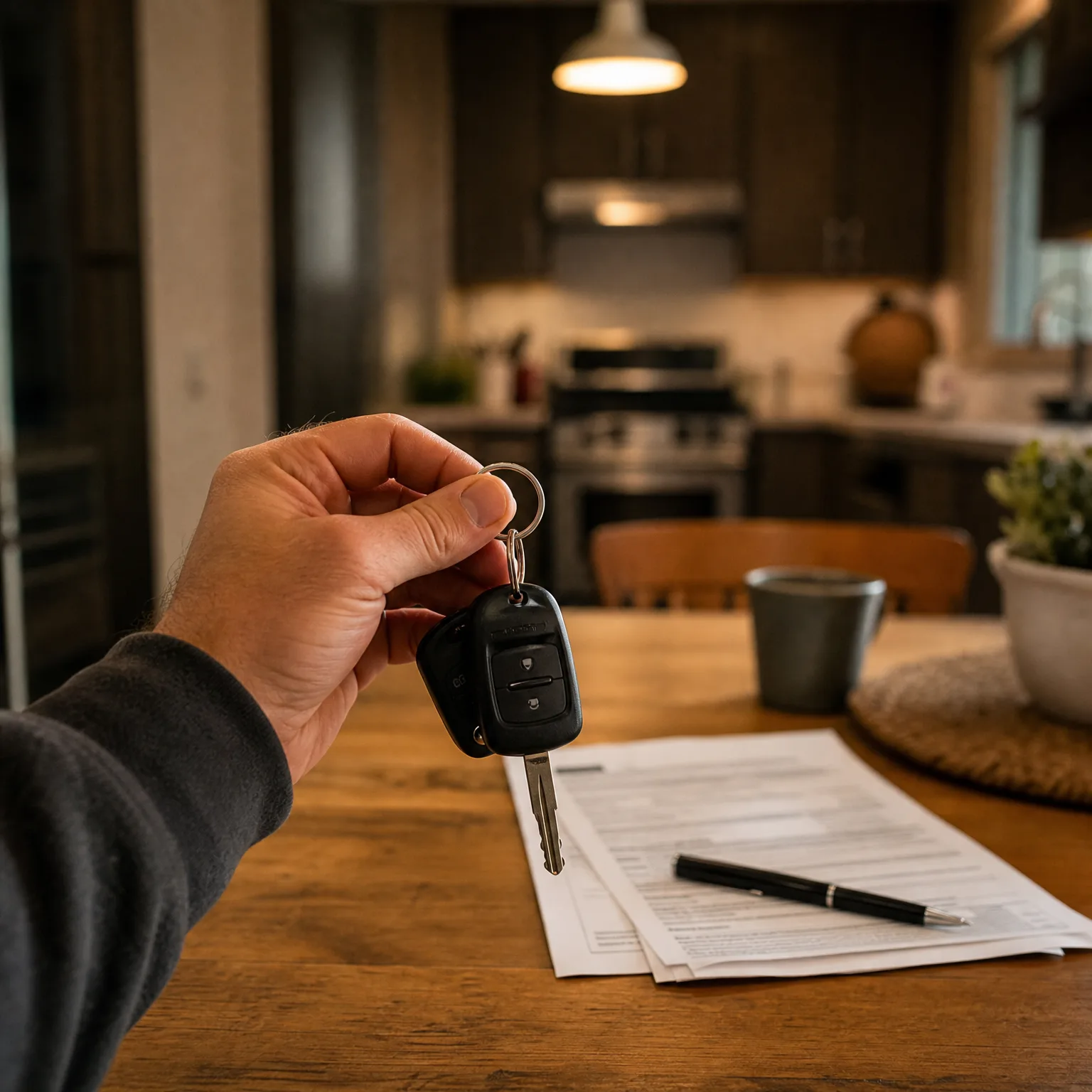
Carriers writing ODL SR-22 policies need proof that your license restriction is court-authorized, not merely DPS-imposed. The Essential Need Petition court order must specify approved purposes, approved hours, and approved routes. Carriers verify this documentation because Texas Transportation Code §521.246 prohibits issuing insurance to drivers whose licenses are suspended without a valid hardship or occupational authorization. The court order proves your driving is legally authorized within the specified constraints.
Bristol West, Dairyland, and GAINSCO request a copy of the signed court order at the quote stage. The General and Direct Auto request it post-binding during underwriting review. If your court order includes an ignition interlock requirement—mandatory for DWI-related ODL petitions under Texas Transportation Code §521.2476—you must provide IID installation verification from the court-approved vendor. Most carriers accept the IID installer's compliance certificate; some require a copy of the monthly monitoring report showing zero violations.
Failure to provide court order documentation results in policy cancellation within the 10-day underwriting review window. The carrier files SR-26 cancellation with DPS, your ODL is suspended immediately, and you restart the SR-22 filing process from zero. DPS does not grant grace periods for documentation deficiencies. The court order and IID proof must be submitted to the carrier before the SR-22 certificate is transmitted to DPS, or the entire ODL issuance timeline resets.
1–3 business days
DPS SR-22 Processing Window
Texas DPS processes electronically filed SR-22 certificates within 1–3 business days from carrier transmission. Paper-filed SR-22 forms add 7–10 business days to the processing window. Carriers filing electronically—Bristol West, Dairyland, GAINSCO, Progressive—transmit directly into the DPS TexasSure system, triggering immediate reinstatement eligibility review. The physical ODL is mailed 5–7 business days after SR-22 clearance.
Texas Department of Public Safety Driver License Division processing timeline
Premium Cost Stack for 2-Year SR-22 Filing Period
Texas requires SR-22 filing for 2 years from the reinstatement date for most DWI and suspension-related ODL cases under Texas Transportation Code §601.153. The total cost stack includes: non-owner SR-22 policy premium ($35–$65/month), SR-22 filing fee ($15–$25 one-time), ignition interlock installation ($75–$150), ignition interlock monthly monitoring ($65–$85/month if required), and the ODL court filing fee (varies by county, typically $200–$350). A DWI-related ODL holder facing 2-year SR-22 filing plus 1-year IID requirement pays approximately $3,500–$5,200 over 24 months in insurance and compliance costs alone, excluding the court petition attorney fees.
The SR-22 filing period begins the day DPS processes the certificate, not the day the court order is signed. If you delay SR-22 filing for 30 days after receiving the court order, your 2-year clock starts 30 days later. Every day without filed SR-22 is a day you cannot legally drive under the ODL, and a day that does not count toward completing your filing obligation. Carriers do not backdate SR-22 certificates. The filing date is the policy effective date.
Get SR-22 Filed and Drive Under Your Court Order This Week
Your court order is approved. DPS is waiting for the SR-22 certificate. Request quotes from Bristol West, Dairyland, and GAINSCO today—all three file electronically and process ODL documentation within 48 hours. Provide the signed court order, proof of IID installation if required, and payment for the first month's premium plus the SR-22 filing fee. The carrier transmits the certificate to DPS electronically, DPS processes within 1–3 business days, and your physical ODL arrives by mail 5–7 days later. Compare non-owner SR-22 rates from carriers writing Texas Occupational Driver License policies and get the filing moving before your approved work-commute window closes.
Carriers Writing Non-Owner SR-22 for Texas ODL Holders
Bristol West underwrites through Security National Insurance Co (NAIC 33120) and accepts ODL court orders without vehicle ownership verification. Premium range: $45–$75/month. SR-22 filing fee: $25 one-time. Bristol West files electronically with DPS same-day when the application is approved, typically within 24–48 hours of quote acceptance. You must provide the court order, proof of Essential Need Petition approval, and ignition interlock installation documentation if the court required IID as a condition. Bristol West requires broker placement in most Texas counties—direct online quote availability is limited to Harris, Dallas, Tarrant, and Bexar counties.
Dairyland (NAIC 20133) writes non-owner SR-22 policies statewide with explicit ODL acceptance confirmed on their Texas product page. Premium range: $35–$60/month. SR-22 filing fee: $15 one-time. Dairyland processes SR-22 filing within one business day and transmits electronically to DPS. The policy can be quoted and bound online without broker involvement. Dairyland does not require proof of ignition interlock installation at quote stage—IID documentation is verified post-binding during the DPS review period. Monthly payment plans are standard; Dairyland does not require full annual premium upfront, making initial cost lower for ODL holders who need immediate SR-22 filing but face cash-flow constraints from court fees and IID installation costs.
Get Your Free Quote
Get My Occupational License Insurance QuoteFrequently Asked Questions
Can I file SR-22 with my current car insurance carrier for a Texas ODL?
Most standard carriers—State Farm, Allstate, Geico, Farmers—do not write non-owner SR-22 policies for Occupational Driver License holders. You need a non-standard specialist like Bristol West, Dairyland, or GAINSCO who underwrite specifically for court-restricted licenses.
How much does non-owner SR-22 insurance cost for a Texas Occupational Driver License?
Non-owner SR-22 policies for Texas ODL holders typically cost $35–$65 per month, plus a one-time SR-22 filing fee of $15–$25. Total 24-month cost for the required 2-year filing period ranges from $855 to $1,585, excluding ignition interlock costs if court-required.
Do I need to own a car to get SR-22 insurance for my Texas ODL?
No. Non-owner SR-22 policies provide liability coverage when you drive vehicles you do not own—employer vehicles, family member cars, or rental vehicles during court-approved ODL hours. Full-coverage policies are unnecessary and cost significantly more when you don't own the vehicle.
How long does it take DPS to process an SR-22 certificate for an ODL?
Texas DPS processes electronically filed SR-22 certificates within 1–3 business days. Paper-filed SR-22 forms take 7–10 business days. Carriers filing electronically—Bristol West, Dairyland, GAINSCO—transmit directly into the DPS TexasSure system, allowing faster ODL issuance.
What happens if my SR-22 policy lapses during my Texas ODL period?
The carrier files an SR-26 cancellation notice with DPS immediately. DPS suspends your Occupational Driver License the day the SR-26 is processed. You must obtain new SR-22 coverage, file a new certificate, and restart the 2-year filing period from the new filing date.
Does Texas require ignition interlock for all Occupational Driver License holders?
Ignition interlock is mandatory for DWI-related ODL petitions under Texas Transportation Code §521.2476. Courts may also order IID for other suspension causes at their discretion. If your court order includes an IID requirement, you must provide installation verification to the SR-22 carrier before DPS will issue your ODL.
Can I switch SR-22 carriers during my 2-year Texas filing period?
Yes, but coverage must remain continuous. The new carrier must file SR-22 with DPS before the old policy cancels. Any gap—even one day—triggers SR-26 filing, automatic ODL suspension, and restart of the 2-year filing clock. Coordinate effective dates carefully when switching carriers.